

Fresh Ideas: Getting Ready for Spring
In 2026, homeowners in Pittsburgh are reimagining their outdoor spaces.
For years, residents maintained typical American yards with neat lawns and a few decorative shrubs throughout Western Pennsylvania. Now, more people are abandoning these traditions and choosing landscapes that provide recreation, require less upkeep, improve outdoor living, and promote sustainability.
Outdoor spaces are being transformed into fully functional extensions of the home. What was once a backyard with a simple patio and patch of grass is now a carefully designed environment for relaxation, entertainment, recreation, and everyday living. Homeowners are investing more time and resources into creating outdoor spaces that match the comfort and usability of indoor rooms while also embracing nature.
Today’s outdoor environments reflect lifestyle changes that emphasize wellness, social gathering, and flexibility. Families want spaces where they can cook, entertain, exercise, and unwind without leaving home. As a result, outdoor living design increasingly includes recreation areas, outdoor kitchens, updated landscaping, water features, and low-maintenance materials such as artificial turf. Together, these elements create dynamic outdoor environments that enhance both property value and quality of life.
New Trends Focused on Ease of Maintenance
A major shift in landscaping is the steady decline of large lawns. Many homeowners are now swapping big grassy areas for gardens with native plants and tough perennials. These plants thrive in local conditions, so they need less water, fertilizer, and care. Native flowers and shrubs also attract and help local wildlife such as birds, butterflies, and pollinators. Because of this, Pittsburgh yards are transforming into lively, diverse environments instead of only plain grass.
One reason for this emerging trend is growing environmental awareness. Homeowners are realizing that traditional lawns require significant resources to maintain, including constant mowing, chemical treatments, and irrigation. By switching to native plants, people not only reduce their environmental impact but also create gardens that change beautifully with the seasons and provide year-round interest. Additionally, these diverse landscapes often require less work overall, offering more time for homeowners to enjoy their outdoor space.
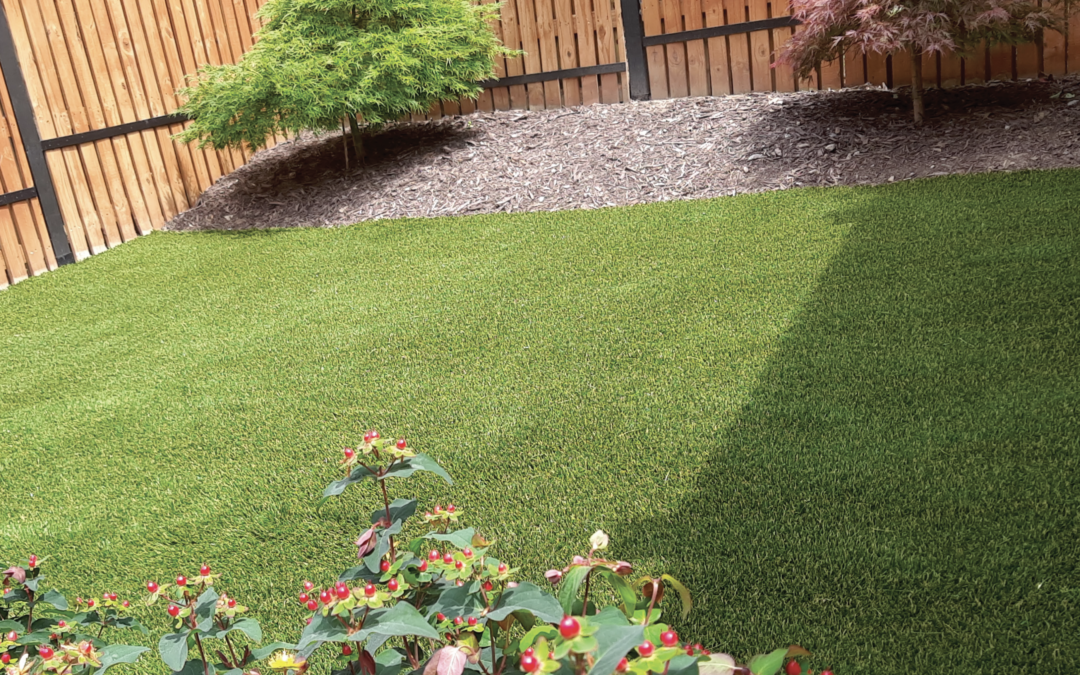
One of the biggest trends local companies have noted is the use of synthetic grass. “A lot of the new homes have really small yards, and rather than having to clean up the mess and muddy tracks kids and dogs bring into the home from grass, people are opting for artificial turf,” says Eisler Landscapes president, Eric French. “It’s also solving a lot of maintenance problems for people with swimming pools. With artificial turf, people don’t drag grass clippings and mud into the pool.”
The demand for synthetic grass is so significant that Eisler Landscapes started a separate company, SYNlawn Pittsburgh, to manage these requests. The ease of maintenance is one of the biggest advantages of synthetic grass. “If it rains, you can wait five minutes and go back outside without having to walk across a wet lawn,” says French. “Synthetic grass is flexible and typically has a life cycle of about 20 years if it is installed properly.”
Advances in synthetic grass technology have made it more realistic in appearance while improving durability and drainage. One of the biggest advantages of artificial turf is its low maintenance requirements. Unlike natural grass, synthetic turf does not require mowing, watering, or fertilizing. This makes it particularly appealing to homeowners who want a green lawn without the time commitment required to maintain it.
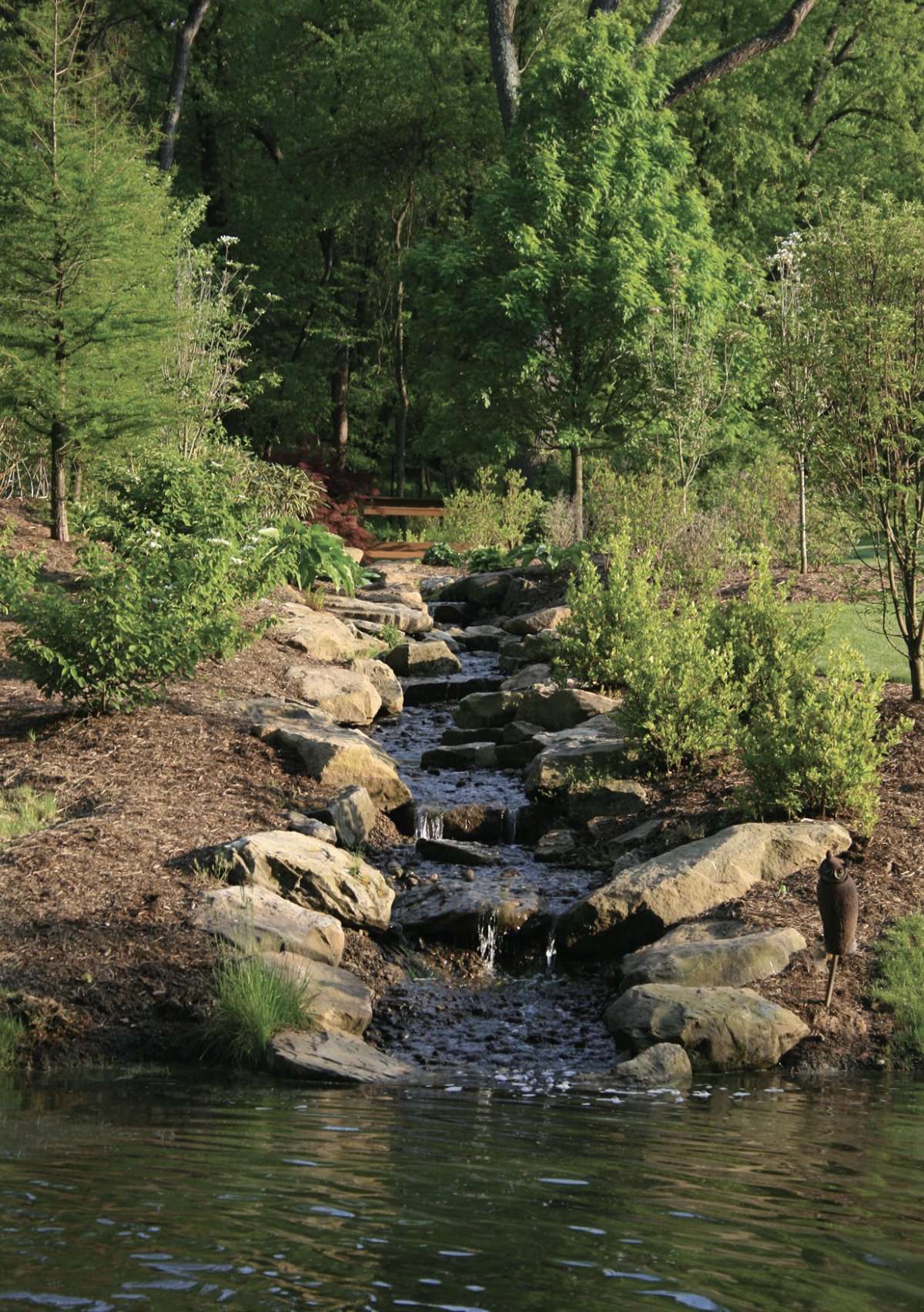
Artificial turf is also useful in areas where traditional grass struggles to grow, such as heavily shaded yards or regions with water restrictions. It remains green year-round and can withstand heavy foot traffic from children, pets, and gatherings.
Many homeowners are using artificial turf in creative ways beyond traditional lawns. It is commonly installed around pools, within recreation areas such as putting greens, or between pavers to create modern design patterns.
When combined with natural landscaping elements, artificial turf can help create a visually appealing yard that is both practical and environmentally efficient.
Beautiful Environmental-Friendly Trends
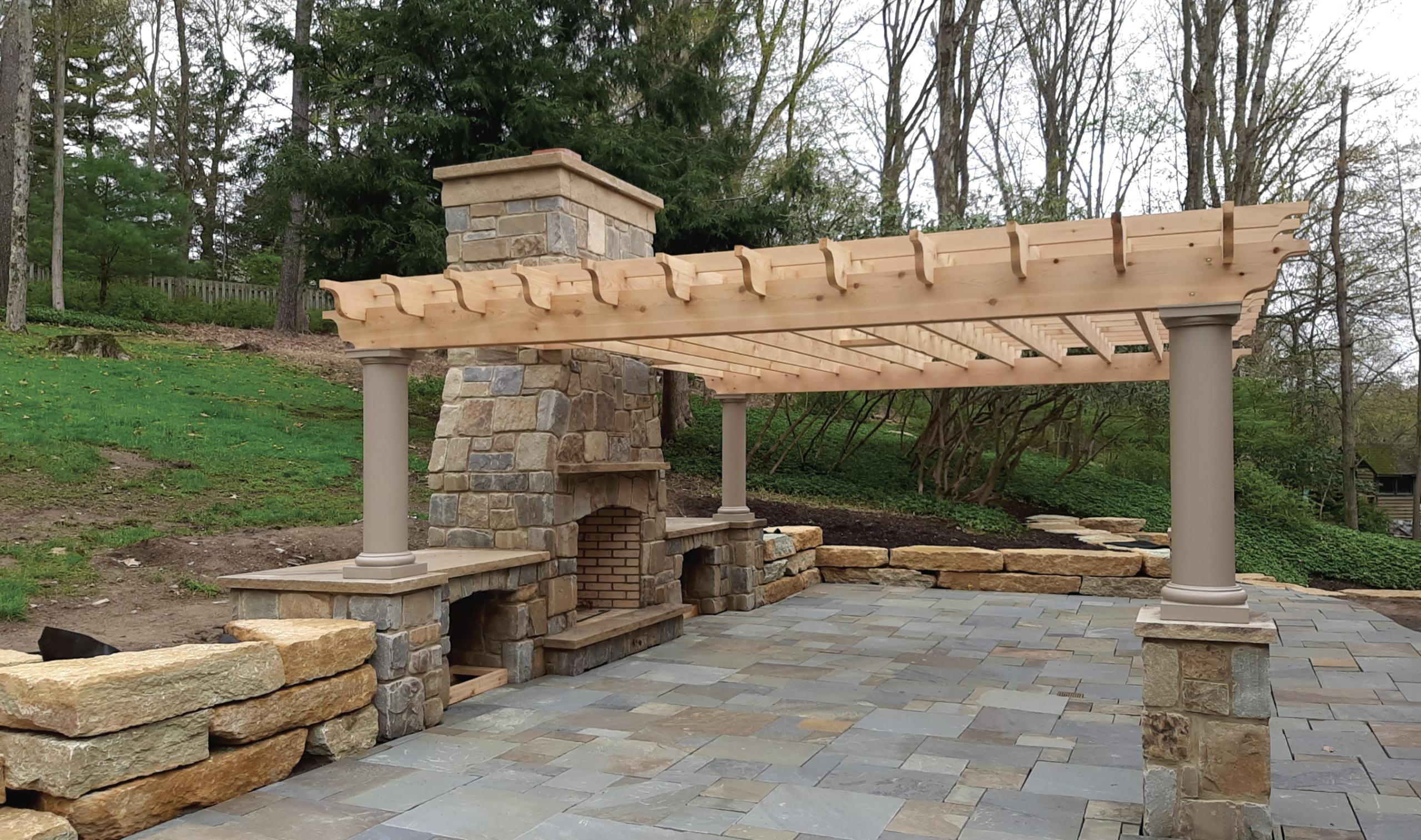
Water features serve as a popular addition to residential outdoor spaces because they introduce movement, sound, and visual appeal to the landscape. The presence of flowing water can transform a backyard into a tranquil retreat.
Fountains are one of the most common water features because they are versatile and available in a wide range of sizes and styles. They can serve as focal points in garden beds or accent pieces near patios and seating areas.
Other popular options include small waterfalls, reflecting pools, and decorative ponds. These features often incorporate natural stone and landscaping elements to create a seamless look that blends with the surrounding yard. “We’re back to seeing ponds again, but these ponds include water features like waterfalls along with plants,” shares French.
Beyond aesthetics, water features can also enhance the sensory experience of outdoor living. The gentle sound of running water creates a calming atmosphere and can help mask noise from nearby streets or neighbors.
Many modern water features use recirculating systems that continuously filter and reuse water, helping reduce overall consumption while maintaining visual appeal.
Another trend gaining popularity is the integration of edible plants into decorative landscapes. Instead of separating vegetable gardens from ornamental plant beds, homeowners are blending the two together. Fruit trees, berry bushes, and herbs are appearing alongside traditional flowers and shrubs, creating gardens that are both attractive and productive. Blueberries might line a walkway, while herbs such as thyme, sage, or lavender add fragrance and texture to a planting bed. This approach allows homeowners to enjoy fresh, homegrown ingredients while maintaining a visually appealing yard.
Low-maintenance design is another key priority. With busy schedules and limited free time, many homeowners are looking for landscapes that are easier to care for without sacrificing beauty. Perennials that return each year, ornamental grasses, and mulched garden beds help reduce mowing and upkeep while still providing seasonal color and
interest. These landscapes often have a more relaxed, natural feel compared with the tightly manicured lawns of the past.
Environmental awareness is also influencing the design of landscapes. With heavier rains and more unpredictable weather patterns becoming common in the region, homeowners are paying closer attention to how water moves through their property. Features such as rain gardens, permeable walkways, and strategically placed plant beds are helping manage runoff while keeping water where it belongs, soaking into the soil. These approaches improve the health of the landscape by reducing erosion and drainage problems.
Outdoor Living as an Extension of the Home
Outdoor spaces are being designed with everyday living in mind. Many homeowners now see their yards as an extension of their homes, rather than simply decorative space. Patios, decks, and shaded seating areas are becoming focal points for gatherings with friends and family. Fire pits, outdoor dining areas, and comfortable lounge spaces are turning backyards into places where people can relax after work or entertain guests throughout the warmer months.
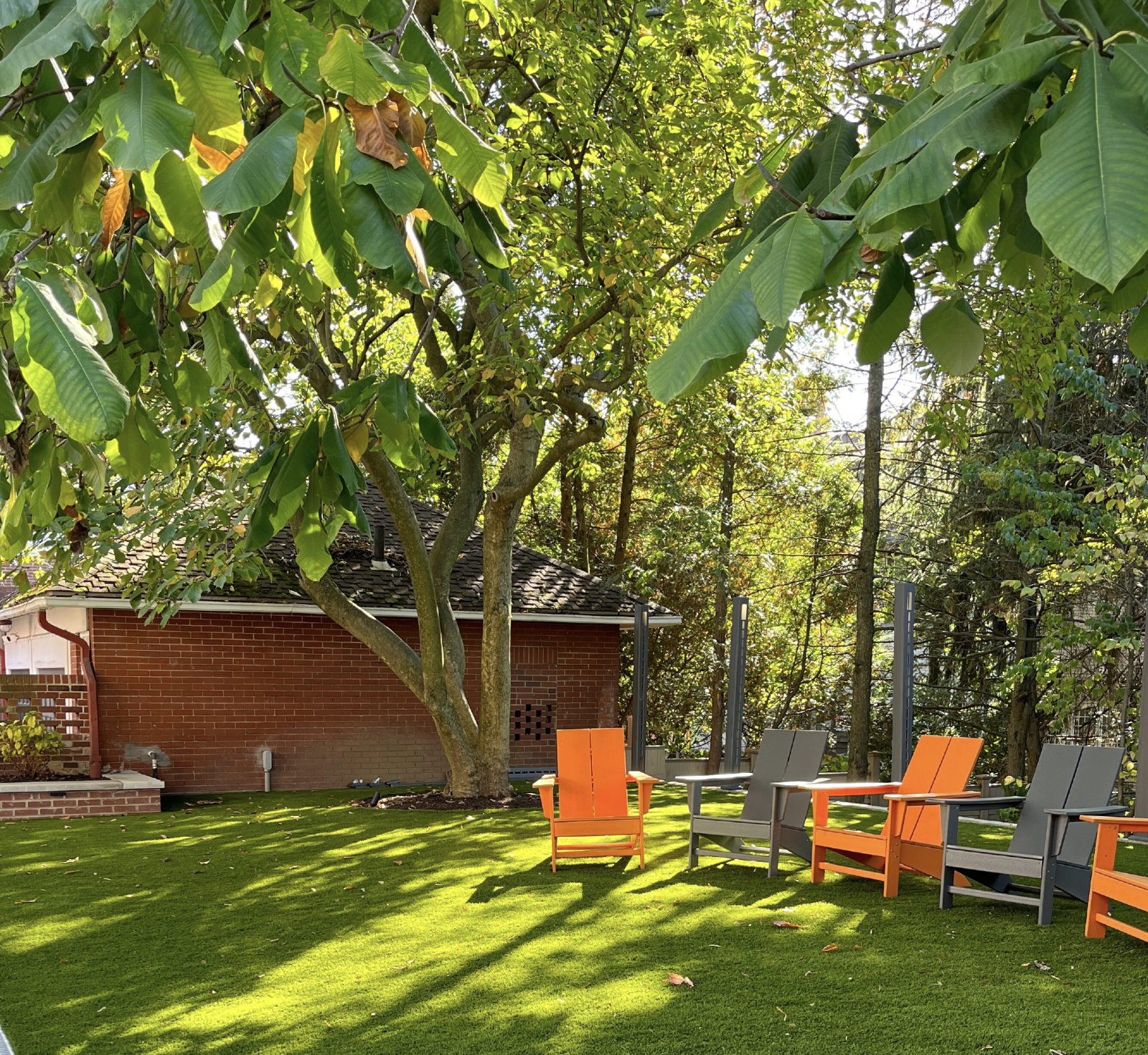
Even simple upgrades such as thoughtfully placed lighting or a small pergola can transform a yard into a welcoming outdoor retreat. A significant change in residential design is treating outdoor areas as extensions of indoor living spaces. Patios, decks, and backyards are increasingly intended for everyday use, not just special occasions.
Homeowners now design distinct outdoor zones with dedicated functions. A yard may feature a dining spot for meals, a lounge area for relaxing conversations, a cooking zone for preparing food outdoors, and a space for recreation or exercise. Dividing the yard into these purposeful zones helps optimize its use and promotes regular activity.
Hardscaping elements such as patios, walkways, retaining walls, and pergolas shape these zones, adding structure and creating smooth visual transitions throughout the landscape. The addition of comfortable seating, outdoor rugs, and weatherproof furniture enhances the sense that the backyard seamlessly connects to the home itself.
Recreation Areas Gain Popularity
Recreation is a major focus of outdoor design in 2026. Homeowners are increasingly adding features that encourage physical activity, play, and relaxation within their own yards. Rather than relying solely on parks or recreational facilities, families are bringing many leisure activities directly into their outdoor living spaces.
“During the pandemic, everyone wanted a pool in their backyard. Now, we’re seeing requests for plunge pools for those who just want a place to cool off in the summer but don’t have the space or desire for a larger pool,” notes French. “We’re also seeing an increase in requests for other recreational options. For people who prefer to practice their putting skills without an audience, installing a country club style putting green in the backyard is ideal. People are also putting bocce ball courts in their yards if they have the space.”
Entertainment amenities are increasingly prevalent in outdoor spaces. Dedicated areas equipped with projectors and screens enable families to host outdoor movie nights, while integrated sound systems contribute to a lively and inviting environment for social gatherings.
Additionally, wellness-oriented features are emerging as a significant trend. Elements such as meditation gardens, yoga decks, and tranquil seating areas surrounded by landscaping are being incorporated to offer residents a serene retreat for relaxation and respite from daily demands.
Outdoor Kitchens Continue to Grow in Popularity
Outdoor kitchens remain one of the most desirable features in modern backyard design. What once consisted of a standalone grill has expanded into a fully equipped cooking and dining environment.
Many outdoor kitchens now include built-in grills, pizza ovens, smokers, and side burners for cooking a wide range of meals. Refrigerators, beverage coolers, and ice makers are also common additions, making it easier to prepare and serve food without having to go back and forth between the house and the yard.
Prep counters and sinks improve functionality, while storage cabinets provide space for cooking tools and serving items. Durable materials such as stone countertops, stainless steel appliances, and weather-resistant cabinetry help ensure these kitchens remain attractive and functional despite exposure to the elements.
Outdoor kitchens often serve as the centerpiece of backyard entertainment spaces. Bar seating and nearby dining areas allow guests to gather while meals are prepared, turning cooking into a social activity. Pergolas or shade structures are frequently added to make these spaces comfortable even during the hottest parts of the day.
Technology Enhances Outdoor Space
Technology is increasingly integrated into residential outdoor environments. Smart irrigation systems, for example, allow homeowners to monitor and control watering schedules from their phones, adjusting automatically based on rainfall and temperature.
Outdoor lighting systems can now be controlled remotely as well, allowing homeowners to adjust brightness levels, highlight landscaping features, or create different moods for entertainment.
Weather-resistant televisions, outdoor speakers, and integrated sound systems are also becoming popular additions. These features make it possible to watch sports, host movie nights, or enjoy music while spending time outdoors.
Other technological features include automated pool controls, energy-efficient landscape lighting, and discreet security systems integrated into the landscape design.
A Summary of Trends Leading to Financial Benefits
According to the Deckorators 2026 Outdoor Living Report which draws on contractor interviews, industry research, and market analysis, trends shaping outdoor living in 2026 include:
- Multi-Zone Layouts: Creating unique spaces designed for dining, relaxing, and wellness.
- Industry-Leading Materials: Using safe, low-maintenance materials that last.
- Waterfront Demand: Personalizing waterfront features that add lifestyle and resale value.
- Pet-Conscious Design: Incorporating pet-friendly materials in decking, railing, and fencing.
- Maximized ROI: Designing to ensure a return on investment without sacrificing personal style.
A New Era for Outdoor Living
Residential outdoor spaces in 2026 reflect a growing desire to create environments that support both relaxation and activity while adding significant value to homes. The modern backyard is no longer simply decorative, it is a functional living area that can accommodate cooking, recreation, wellness, and social gatherings.
As homeowners continue to invest in their outdoor environments, the line between indoor and outdoor living continues to blur. Backyards are becoming personalized retreats that offer comfort, style, and versatility, making them one of the most exciting areas of residential design today. NH