

Building a Custom Home That Fits Your Lifestyle
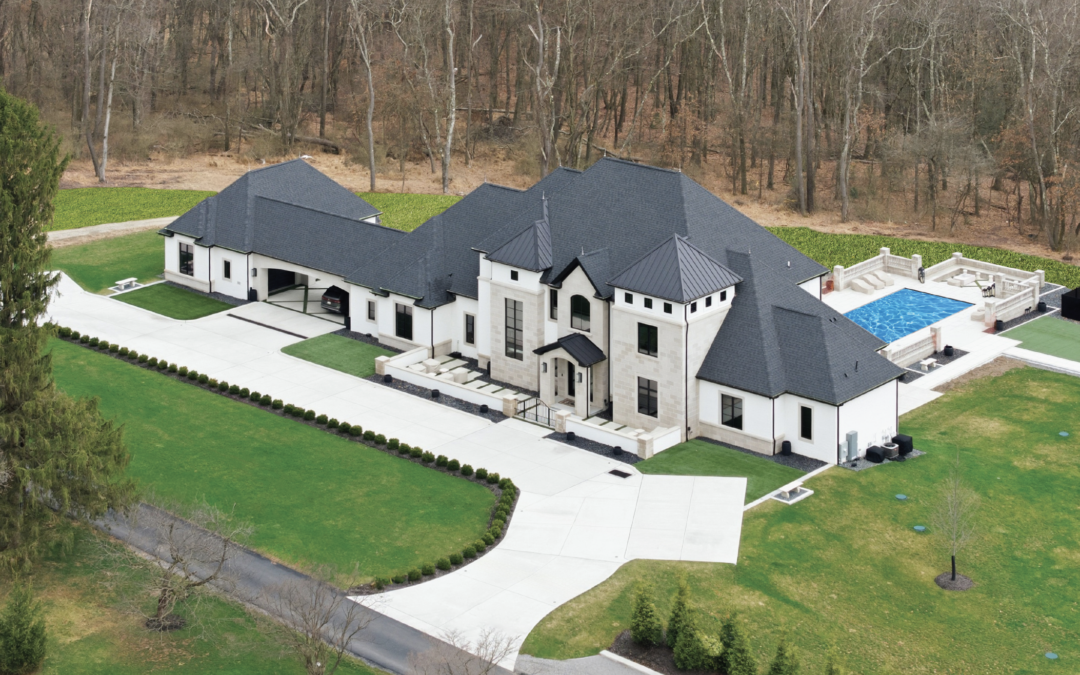
When Maria and Perry Napolitano set out to build their forever home, they spent nearly a year searching for the right piece of land. The 18 months that followed were filled with big decisions, unexpected challenges and the kind of perseverance that ultimately produced a 9,000-square-foot home they are deeply proud of.
When they started, the Napolitanos had a clear picture of what they wanted. A forever home. One built to their specifications, on land they chose, in a school district they researched. They were planning for the years ahead, and that meant designing a house that would work for them well into retirement. “We wanted to make the home the way we wanted to have it in terms of layout, selections, colors, and build it from the ground up,” said Maria.
Finding the right property took time. The Napolitanos initially had their sights set on North Allegheny, drawn to the school district’s reputation. But after spending time learning the township, they felt it was too large and not the right fit. They shifted their search to Hampton. “Being landlocked, I went on the Allegheny County real estate website and started looking for available land,” Maria said. After nine months to a year of searching, a plot in Hampton became available. Maria moved quickly to secure it.
From the start, the Napolitanos knew they wanted access to public sewer and water, avoiding the complications of well and septic systems. With 11 acres secured, they turned to Costa Homebuilders, a Pittsburgh-area custom home builder they already had reason to trust. Costa had built Perry’s previous home in Jefferson Hills. “They did a beautiful job,” Maria said. “Their follow-up and customer service was impeccable. They didn’t just build your home and leave.”
That track record mattered. Building a custom home is among the most consequential financial decisions a family can make. Finding a builder who treats it with the same weight is not guaranteed. Maria credits Costa founder Jeff Costa with approaching the process with that seriousness from the very first meeting. Costa presented the full financial picture, including site work as well as discussing any ongoing costs, to make sure clients can afford to live in their homes after they are built.
The design process started, as many do, with inspiration pulled from the internet. Maria and Perry had browsed floor plan websites and arrived at their first meeting with plans they had purchased online. Jeff Costa quickly explained that those designs were built for regions that do not typically use basements. In Western Pennsylvania, they would not translate well. “We decided to let Jeff design the house,” Maria said. Costa worked with an architect and designer and came back with plans that incorporated the Napolitano’s ideas. “We just fell in love with it.”
One of their primary goals was aging in place. They wanted a primary suite on the first floor, with the master bedroom and all related amenities at ground level, so the house would function for them as the years passed. “Jeff builds home after home after home,” Maria said. “He knows what works. He was very instrumental and helpful in designing the layout and determining the size.”
The 11-acre property came with its own considerations. The land had a slight slope. Grading it to their original vision would have added significant expense. Costa identified the flattest area on the lot and positioned the home there to minimize the work required. “Everything goes back to cost,” Maria said. “Do you want to spend an extra $10,000 on grading? For us, the answer was not so much.” The decision was practical and, in the end, straightforward once Costa laid out the options.
Tony Ferrare, who oversaw selections on the project for Costa, described the land evaluation as one of the first critical steps in any build. “Before we even start to design the house, we want to have an idea of what the best shape is for the house based on the topography,” he said. His job was to take the Napolitano’s vision and find a way to make it real. “Maria wanted a custom home that was a beautiful house inside and out. She had ideas and we helped bring them to life.”
The exterior of the finished home reflects that ambition. The front of the house features a courtyard, limestone, a porte-cochère that shelters space for six cars and turf strips between the driveway design and parking areas. The roofline incorporates finials, and the façade is composed of five to six distinct levels. “These are all things we’ve done to make it architecturally interesting,” Ferrare said.
Inside, Maria and Perry brought ideas that pushed Costa’s team to think beyond conventional Pittsburgh construction. They wanted large-format tiles with minimal visible seams. The solution was 5-by-5-foot floor tiles with special engineering to improve stability and reduce cracking risk. They also wanted a pantry that opened through what appeared to be a cabinet door, leading into an extended pantry space with a second door connecting directly to the garage for unloading groceries. “It’s one of the show pieces in our home,” Maria said.
The basement became Ferrare’s favorite part of the project. “It created the mood,” he said. The lower level features channel lighting, a dark-toned bar, and a two-story study designed as office space connected by a spiral staircase. On the first floor, a working office features coffered ceilings with Maplewood herringbone and exposed beams. “They do a lot of living in this house,” Ferrare said. “There’s things that are functional and things that create a mood.”
Construction took place during the COVID-19 pandemic, when lumber prices spiked and supply chains were unpredictable. Costa kept the Napolitanos informed throughout. Hampton Township’s permitting process added another layer of complexity, Maria said. “They hand-held us through the whole process, which made it easy and comforting,” she said.
Even with the support, the volume of decisions involved in a custom build wore on them. “The number of decisions you have to make, it’s like a wedding times 100,” Maria said. “You make decisions from tiles to the color of grout and type of door handles. It was decision after decision. You get burned out.” Costa worked with them through that fatigue, giving them time to make choices rather than demanding immediate answers. The builder’s showroom made some of that process easier, with standard selections available and the flexibility to work with vendors to upgrade or scale back depending on budget.
Tracey Shank, Costa’s sales and marketing manager, said that kind of client engagement defines how the company works. “Some people are very involved,” she said. “Maria was one of those people. I talked to her almost every day. She was wonderful to work with.” Other clients, including some building here from out of state, take a different approach and have to extend more trust to the team because they don’t have access to the site often. Costa accommodates its approach to each individual client to communicate in a way that is best for them.
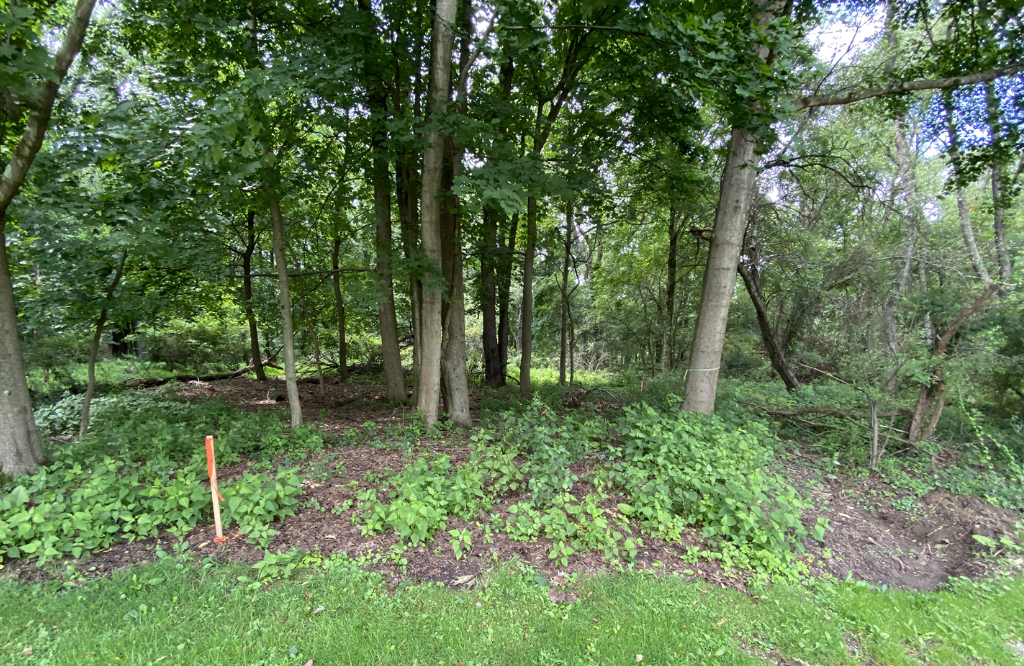
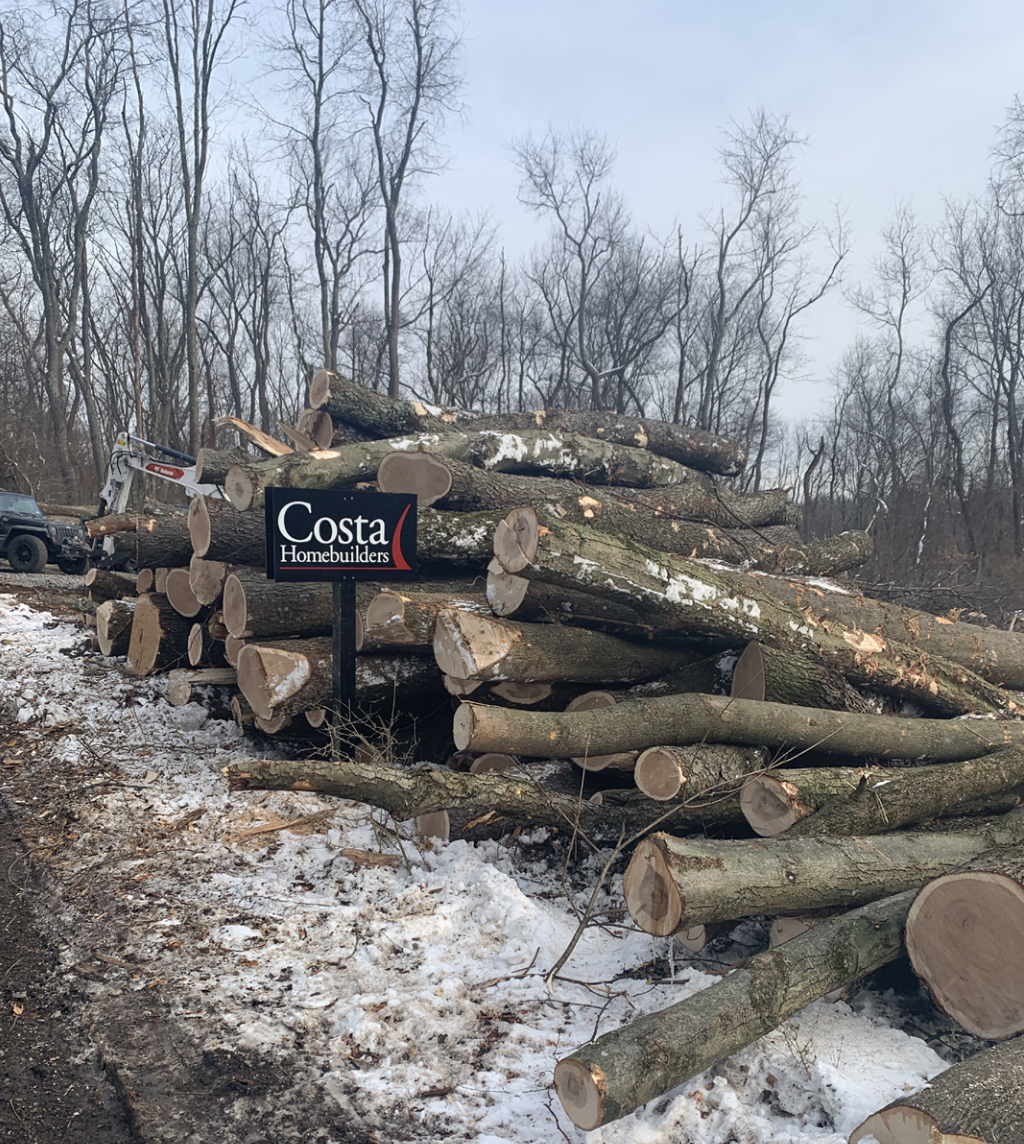
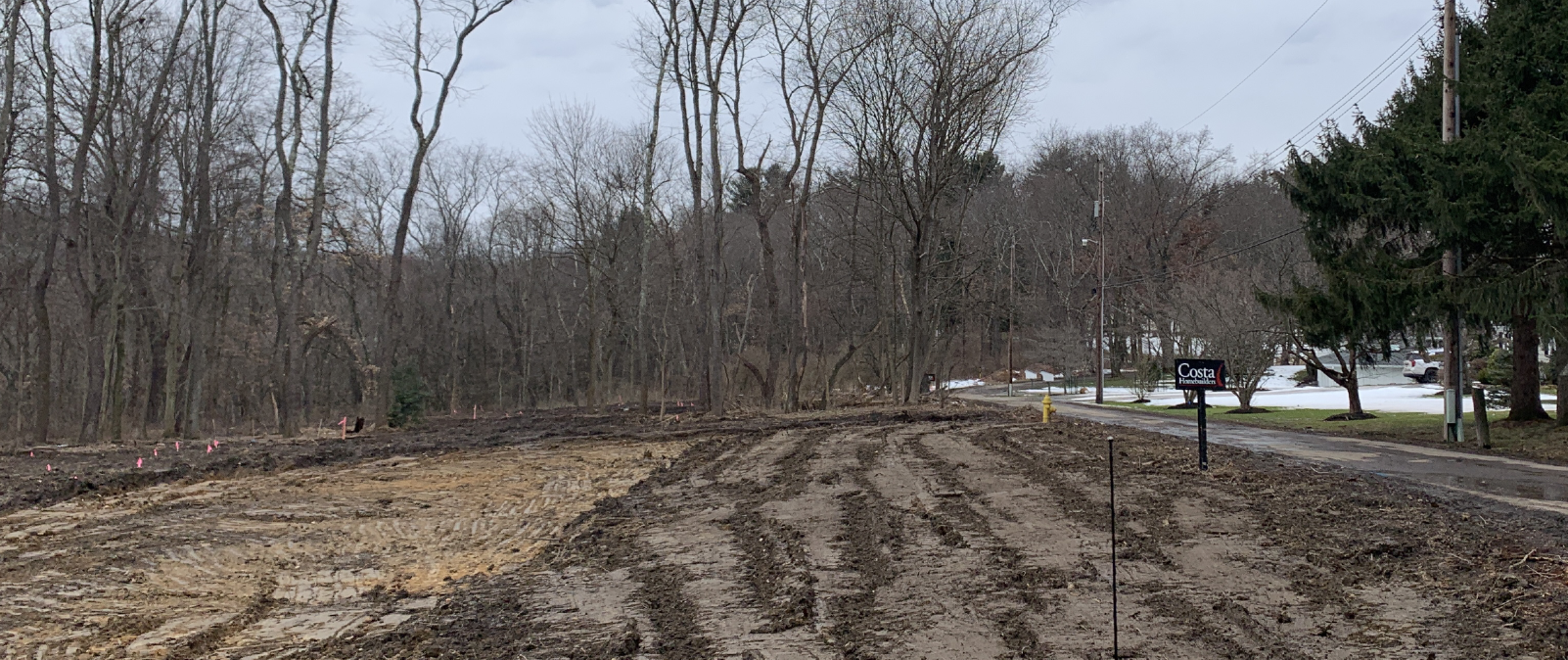
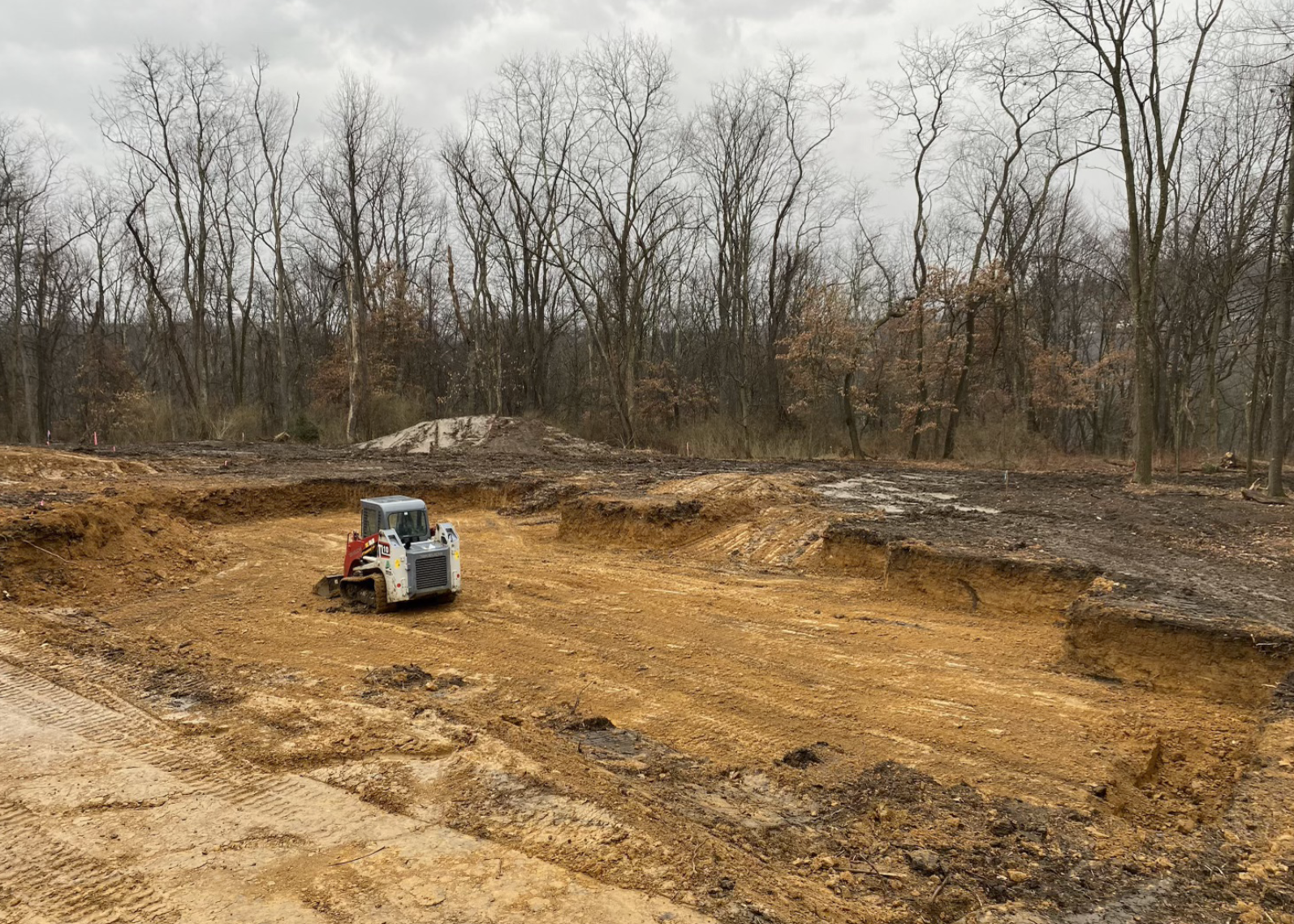
Shank walked through the company’s broader process for anyone considering building on raw land. The first step, before design work begins, is a thorough evaluation of the property. If public sewer is not available, the land must pass a percolation (perc) test to confirm it can support a septic system. Shank is direct about requirements to ensure a lot is buildable. People who do not consult a builder before buying a property can end up with land they cannot build on. “If I could give any advice, never buy a lot until you have a builder look at it if you want to build a home on that lot,” she said.
Often, site preparation costs can be substantial on raw land. If the lot is listed at a lower price, it usually means it may require more cost in site work, or that it has red flags that can cost more upfront to prepare the lot to build, if buildable at all. Shank said they are seeing land prices in the Pittsburgh area ranging from $200,000 to $500,000-plus for a buildable lot, with supply tightening as available parcels become scarcer. Private buyers are competing with commercial developers, and competitive bidding may increasingly enter the picture more often than before. One option that has gained traction is purchasing land with an existing home on it, demolishing the structure, and building new. Costa has completed projects that way across multiple neighborhoods.
Once site preparation is understood and a budget is established and approved by the customer, Costa begins the design process. Shank said the initial phase, from lot evaluation through first iteration of plans, takes about three to five weeks. Clients can adjust the initial plan as often as necessary without additional cost. The price of the house will not change if additional square footage or upgrades are not added and the changes work with the topography of the lot. Costa offers a variety of quality selections through their vendors. However, since they are custom builders, their vendors can accommodate upgrades or custom requests if the client chooses. Shank said because Costa is a true custom builder, the company’s network is broad enough to handle specifications that fall outside standard offerings.
After construction closes, the relationship with clients does not end. Costa follows up at one year to confirm everything is still performing as expected. Shank noted that most builders provide a one-year warranty and move on, while Costa takes a different approach, addressing issues that arise and, in many cases, not charging for the work. “You’re not just another transaction,” Maria said of her experience.
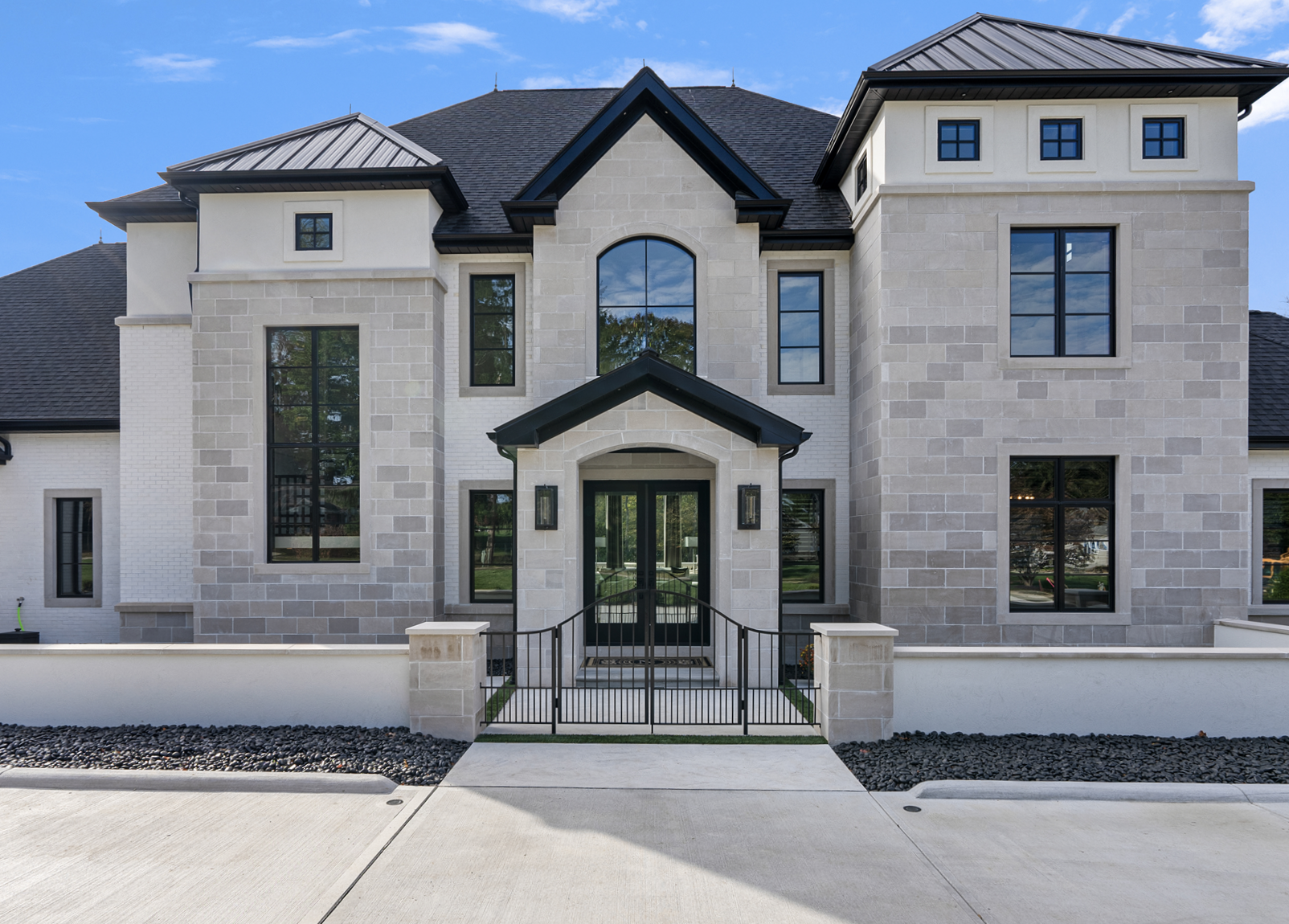
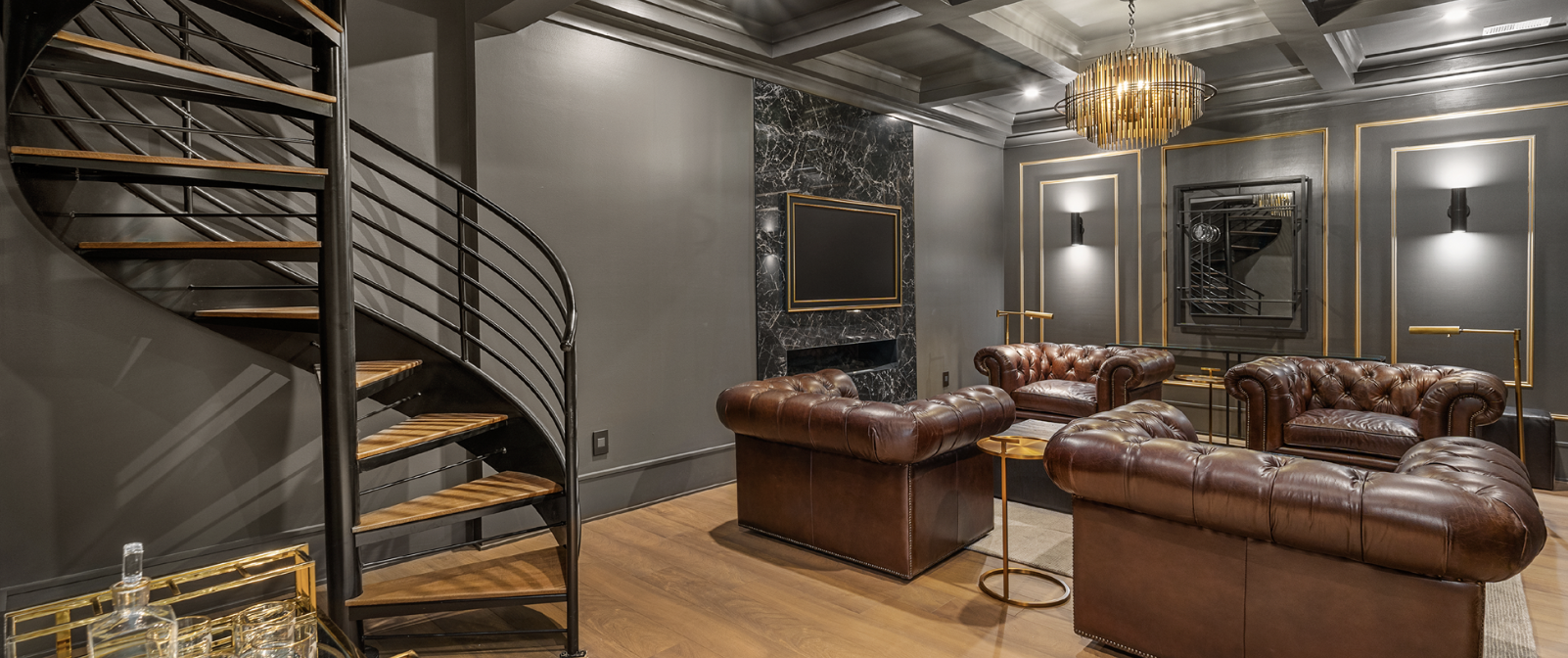
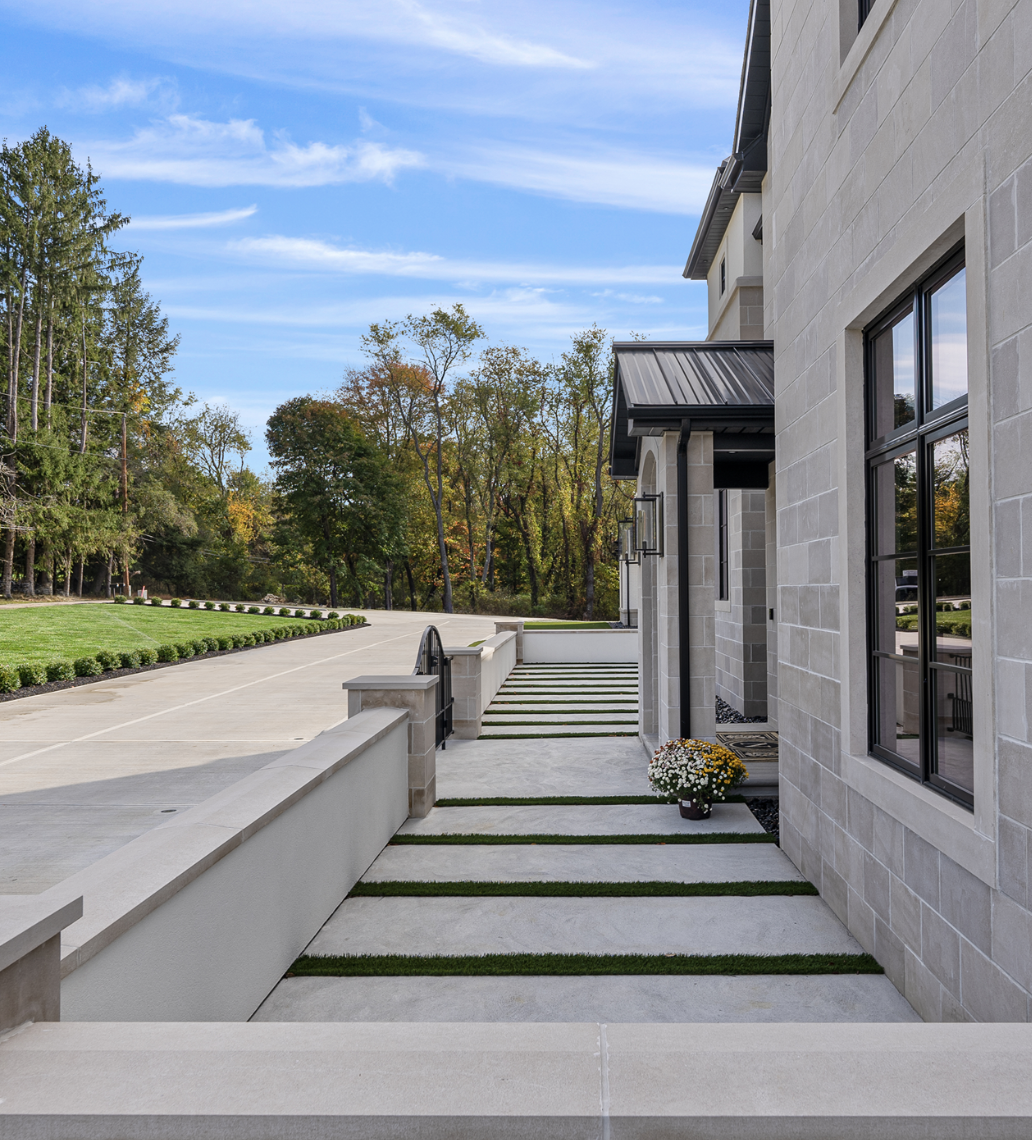
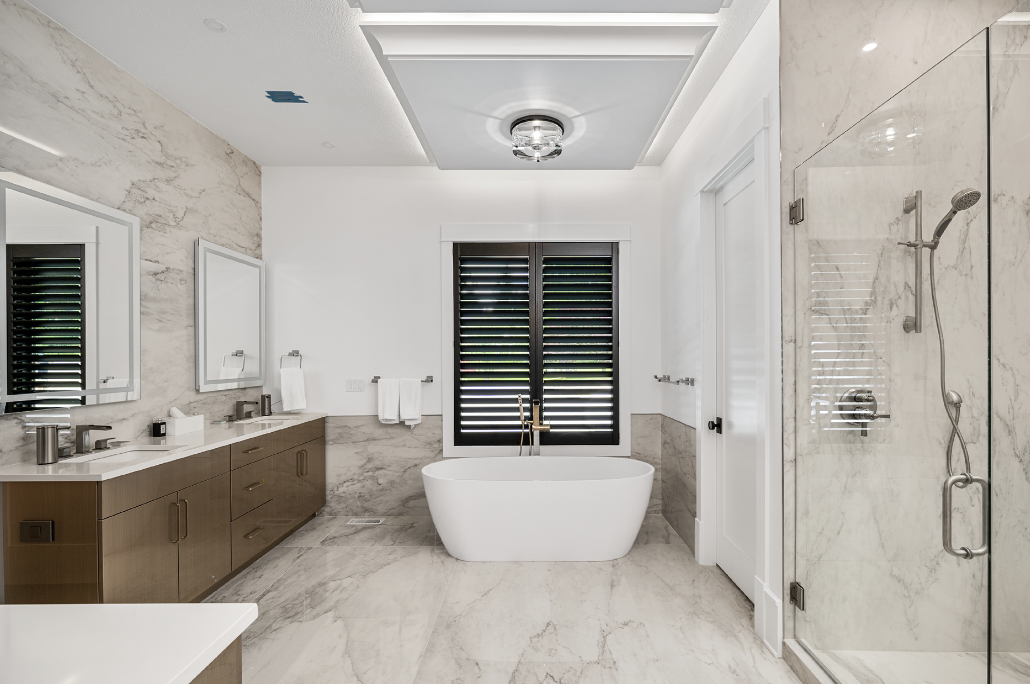
Ferrare described Maria Napolitano as a rare kind of client. She arrived with ideas, stayed engaged at every stage, and put in a level of effort he said exceeded what most clients invest. “The effort she put in is beyond that of a full-time job,” he said. He called the finished home a perfect recipe of an inspired customer and a motivated building team. “It took a lot of work, but it was fun, and Maria is proud of the end result, and as a builder, we’re proud of the end result.”
For Maria, the finished home reflects something more than a construction project. When she walks through it now, certain details bring back specific moments from the process. The kitchen island, originally planned with two pieces of granite, became a single seamless slab after the team talked her into it. “The way we made these decisions was a reflection of combined taste and experience and expertise,” she said.
The project took 15 to 18 months from start to completion. At the end of that stretch, exhausted and relieved, she had a moment of honest reflection. Would she do it again? “If you’d asked me that a year ago, I’d say no,” she said. “But now? Absolutely, because it’s fun to create something that has your thumbprint on it.” NH