Amid Rising Home Costs, to Purchase or Not to Purchase is the Question.
A new home purchase, while brimming with anticipation and expectation, can generate real concerns about affordability and value.
Buyers may ponder monthly mortgage payments, escrow costs, interest rates, geographic considerations and accessibility to work places, schools, health care, shopping and more. At the same time, builders face issues of rising labor and material costs along with market challenges. Coupled with the dilemma of low housing inventory, the question becomes “What is the outlook for home buying/building in 2026 in terms of cost?”
Economists, realtors and other experts on a national, regional and local level have addressed those issues, many with some hope in the coming months while others paint a more cautious picture. In his article for Homes.com (“Analysis: the price of building new homes has been increasing, especially for labor”, January 30, 2026), Brad Case, PhD and an investment professional with more than 35 years of experience in the real estate industry, noted that inflation for consumer prices (for goods such as gas, groceries and more) as well as producer prices (what companies who make the goods and services pay) is rising. “The Producer Price Index (PPI), released this week [last week of January 2026] showed yet another jump in inflation: The ‘core PPI’ (measuring costs other than food and energy) increased by 0.7 percent during December 2025 and by 3.3 percent over the past 12 months — in both cases, much higher than expected. Inflation in new home construction costs has been even worse, with the producer price index for ‘inputs used in residential construction’ increasing by 3.8 percent over the past 12 months.” He continued that this cost increase “is a significant driver of the ongoing home affordability problem, not just for new homes. Even the price of existing homes is affected by the cost of new home construction, because potential buyers can choose between new or existing homes in a given area.” He cited the costs of materials such as lumber, drywall, paint and roofing materials, which make up about 60 percent of total costs, has risen 2.5 percent, mostly within the first three months of 2025, and the costs of services making up 40 percent of total costs, rose more than 5.6 percent in the same time frame, with that trend continuing to rise throughout the remainder of 2025. In summary, Case noted that while tariff hikes modestly drove up material costs, a sharp and sustained rise in construction service costs suggested immigration restrictions have played a larger role by tightening the labor supply, given that, according to the National Association of Home Builders, “one in four construction workers was born in another country, with the proportion exceptionally high in specific trades such as drywallers, roofers and painters.” In a Realtor.com report (“New Homes Are Getting Cheaper — And a Leading Economist Says That Could Force Resale Prices Down in 2026”, Keith Griffith, February 17, 2026). Robert Dietz, Chief Economist, National Association of Home Builders, anticipates prices for existing homes falling in 2026 given that sellers could react to price pressures driven by price reductions from homebuilders. Addressing the crowd at the International Builders Show, Orlando, Florida this past February, Deitz said “We expect in most markets this year, resale prices to go down in order to improve affordability conditions, because existing homeowners now have to do the price discovery that builders have been doing since 2022, and they haven’t done it yet. So, we think that’s happening in 2026 and, of course, it’s needed, when we look at the home price to income ratio. This, to me, sums up the affordability challenge.” As evidence, he shared a chart showing the typical home price as 4.9 times higher than the typical income, much above the long-term historical average of about 3 times higher than income and higher than the 4.83 times ratio realized during the peak of the housing bubble in 2005. Perhaps surprising to some, Dietz imparted that new home build prices have been trending lower throughout the past three years leading to a 15 percent drop in new build prices than in the fall of 2022. Further, a Realtor.com analysis stated that new homes are more likely than previously owned homes to contain a price cut for the first time in recent history. Dietz believed that, in part, some of the price relief comes in the form of slightly smaller, new construction home sizes (floor plans about 5 percent smaller than in 2022) however, the majority of the price decline has been born out of price cuts and discounts. “Historically, home prices to incomes, the 3 to 1 ratio that was a well-understood rule of thumb, had been around for a while,” Dietz explained. “When the price-to-income ratio is 5 to 1, it’s harder for those younger households to save up, whether it’s a 3.5 percent for an FHA mortgage or a 10 percent down payment on a conventional mortgage.” The article continued with a caveat: not all economists believe that home prices will fall in 2026. Instead, Danielle Hale, Chief Economist for Realtor.com, added that home prices in 2026 will rise slightly. She noted that asking prices for homes were somewhat flat in January when compared to last year, with some sales prices slightly higher, which she saw as a reflection of strong competitive conditions in the housing market most notably in the Midwest and Northeast. Further, the number of listings with price reductions declined in recent months. “That suggests to me that sellers are pricing right up front and trying to avoid having to make asking price reductions as they move to 2026,” Hale said. The 2025 housing report prepared for the Pennsylvania Association of Realtors® showed that the state’s median home price rose 5.2 percent year over year in November 2025 with the median sale price of $305,000 contrasted with $290,000 in November 2024, with remarkable, steady prices in 2025. Other reported statistics included:
|
Number of homes on the market — +3.4 percent |
|
|
Approximate Inventory Time Frame |
Price Points |
|
4-month supply |
Nearly all price points under $875,999 |
|
3.7-month supply |
$250,000 to 374,000 average |
|
5.1-month supply |
$875,999 to $999,999 |
|
6.7-month supply |
$1 million to $1.99 million |
|
14.7-month supply |
$2 million and up |
|
Pennsylvania Median Home Price Up Year Over Year in November”, William Lubin, December 19, 2025, www. parealtors.org |
A January 8, 2026 Housingwire.com article (“Western Pennsylvania, small metros surge in home price growth”, Jonathan Delozier) noted, through an analysis over 52 weeks of Housingwire Data (January 3 through December 26, 2025), that “Johnstown, Pennsylvania recorded the highest home price growth of any U.S. metro in 2025, with single-family home prices rising more than 50 percent from the first week of January through the end of December. Those home prices in Johnstown and other Western Pennsylvania markets posted some of the strongest gains in the nation in 2025 — dramatically outperforming the country’s largest metros as affordability and tight supply reshaped housing demand.” The article continued that Pittsburgh stood out among larger markets, posting a 4.35 percent price increase in 2025, placing it No. 4 nationally among large metros.” Housingwire found that across the 50 largest metros by inventory, prices declined, on average, 0.14 percent in 2025 and that smaller metros consistently outperformed larger ones. Lower starting price points were a significant factor in 2025 for the difference between faster growing metros with an average starting price around $300,000, “significantly below prices in major coastal and Sun Belt markets … This affordability advantage appears to have drawn buyers priced out of larger cities.”
So how does this bode for Pittsburgh and surrounding areas? Recently, the Realtor’s Association of Metropolitan Pittsburgh (RAMP) listed Pittsburgh as ranking #10 on the “2026 Top Housing Markets Forecasts”, a model-based forecast by Realtor.com. The article, published online December 11, 2025, emphasized that buyers are considering value in the midst of some mortgage rate decreases and somewhat of a slowdown in national price growth. Of the published list, many of the metros in the Northeast and Midwest were said to share a number of similarities such as “relatively affordable homes, limited new construction, lower mortgage lock-in pressure, and older, financially well qualified households — but their unifying advantage is strong value for buyers.” Again, Danielle Hale, Chief Economist, Realtor.com, suggested a more balanced housing market in 2026 leaning slightly in favor of the buyer unlike in 2025 with slight affordability improvements influenced by “mortgage rate relief and slower home price growth” offering better value than closer high-cost metros … “yet steady demand and persistent inventory shortages keep prices moving upward. For buyers, that can mean more competition and faster price gains. For sellers and homeowners, it signals strong demand or home price appreciation and equity gains.”
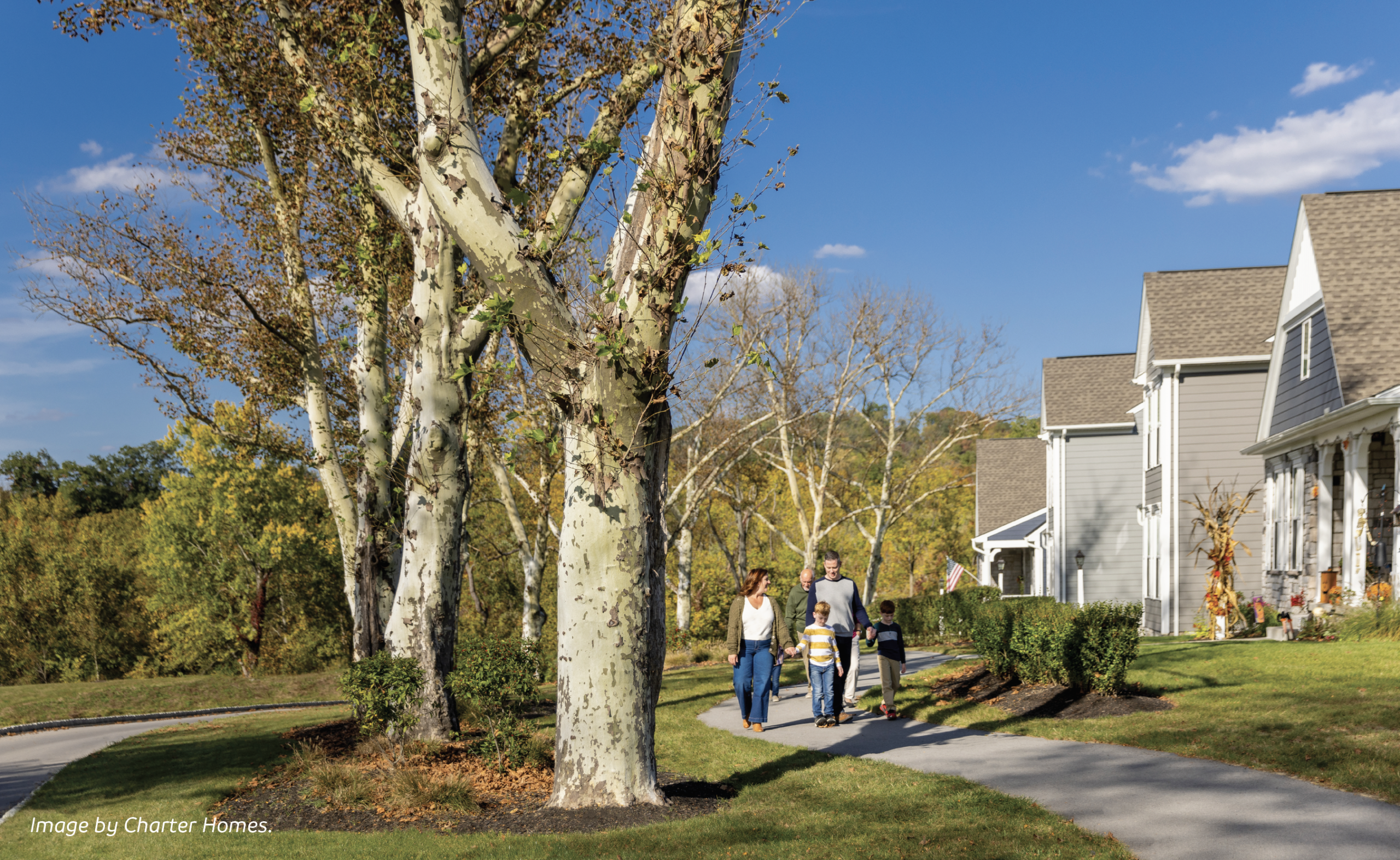
On a local level, issues of affordability and availability weigh heavily for potential buyers and, to a degree, builders. Darlene Hunter, Vice President, New Construction and Nevillewood/New Construction, Howard Hanna Home Services, believes that a combination of issues contributes to the increase in home prices. “For builders, the hilly, challenging terrain in Western Pennsylvania is often a factor, along with other development components, supporting the price escalation,” she explained. “Add that to the annual increase of building materials year over year just increasing the price of constructing a new home. Some builders have the ability to purchase at bulk pricing or direct buying and can absorb some of the escalation.” For home buyers, Hunter attributes sticker shock as a possible deterrent to a new home purchase, particularly if they looked in recent years and made the decision to wait. “They are just not getting the same amount of square footage and finishes as they were five years age,” she added. “The buyer who has the real need to move because of a growing family or lifestyle changes will make the space concessions and/or pay more while others will wait or modify an existing home, if possible.” She has also observed, in desired price points and locations, there remains a shortage of existing home inventory, which may result in consideration for a new construction given that the new home inventory exists in their price range. “The problem is new construction doesn’t always exist in prices ranges under $300,000 for a single-family home or under $250,000 for a townhome,” Hunter continued. “Also, new construction may not afford the same amount of square footage and upgrades as, perhaps, a five-year resale home. This is where the buyer needs to make concessions.” She acknowledged that there are buyers who do not want to live in a previously owned home and new construction is the only option for them, given that price and financing may not be an issue for that particular buyer. As a high quality, family owned and operated builder based in Pittsburgh for more than 30 years, Pitell Homes has observed changing attitudes among potential buyers. “Higher costs have certainly made buyers more thoughtful and deliberate, but demand for new homes remains good,” said Shaun Seydor, President, Pitell Homes. “What we are seeing is buyers being more strategic. They’re asking more questions, evaluating financing options carefully, and sometimes adjusting the size or features of the home they’re considering.” He added that new construction still offers advantages that buyers value — modern layouts, energy efficiency, and lower maintenance. “In many cases, buyers find that a new home can offer better long-term value compared to older housing stock that may require renovations.” Helen Nseir, Realtor and New Construction Specialist, Berkshire Hathaway Home Services The Preferred Realty, agrees that, in terms of new construction, material and labor costs have caused increases in pricing. “Obviously, the cost of tariffs is causing suppliers to increase and pass on the pricing,” Nseir said. “Developers are always looking for land to purchase, but the increase in the development of that land has tempered their enthusiasm. Developers know the costs to install the infrastructure of utilities and roads and have become a bit more cautious.” She also noted that land owners know they have a commodity that is in short supply and they can usually afford to hold onto their asset.
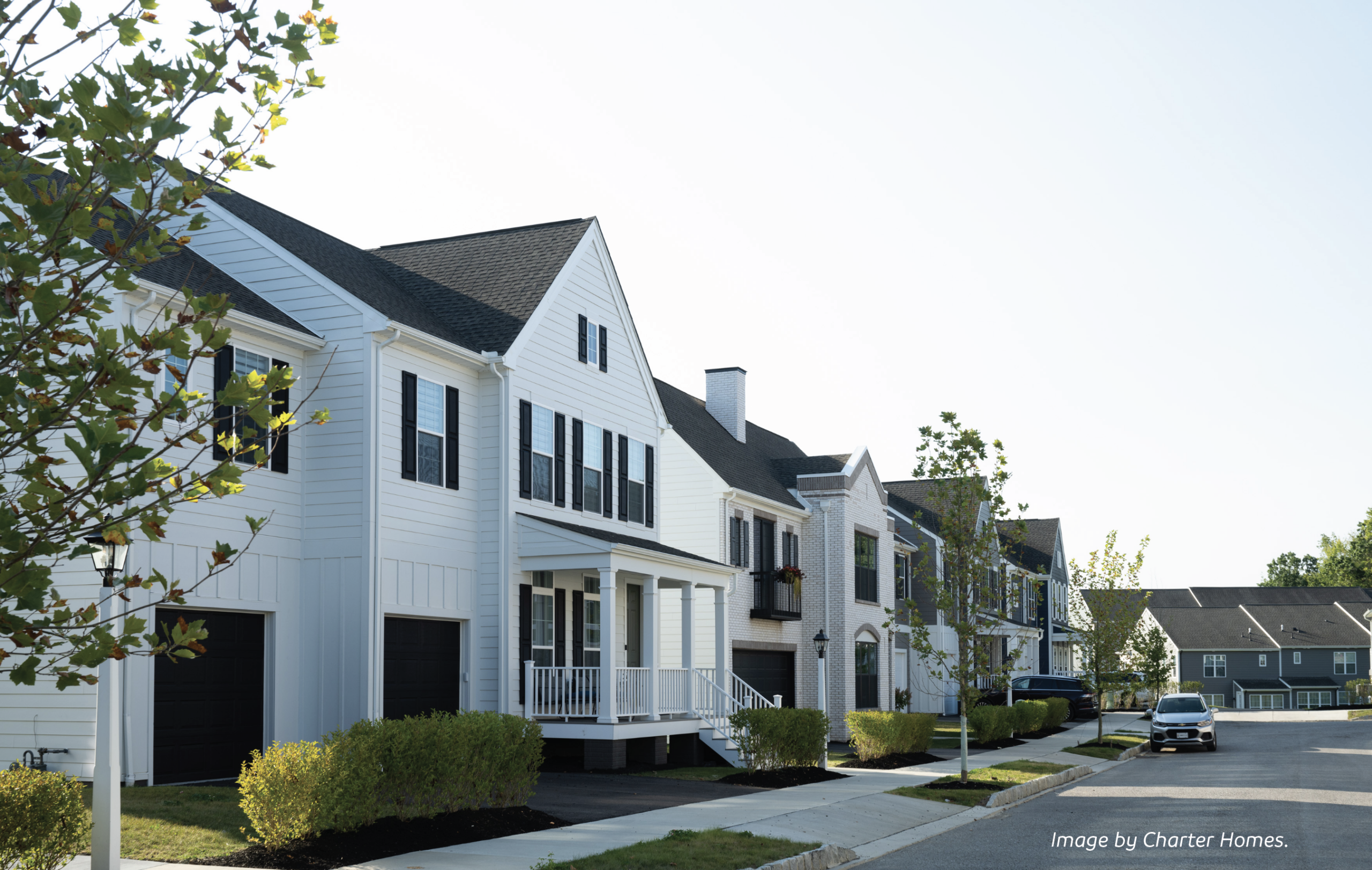
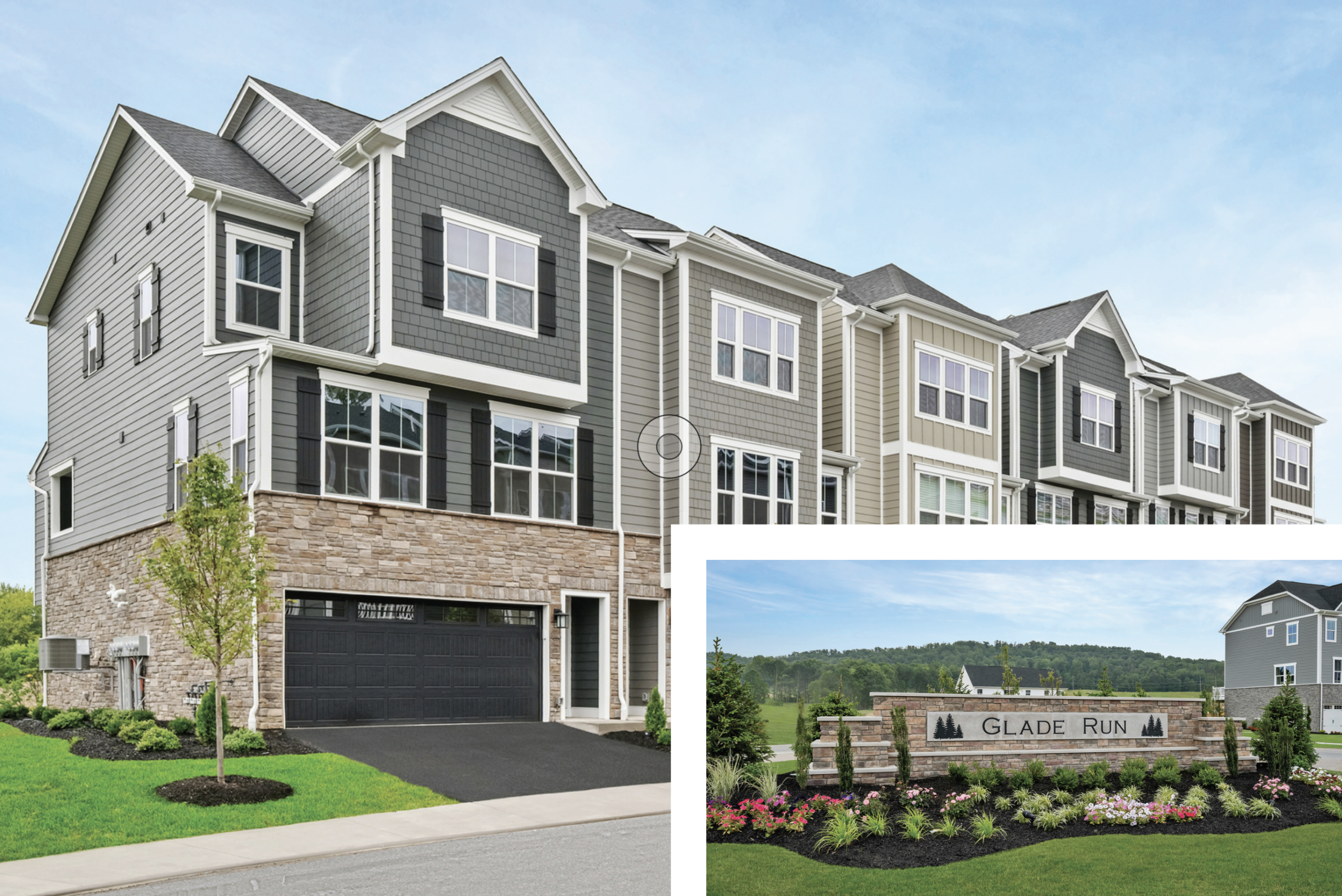
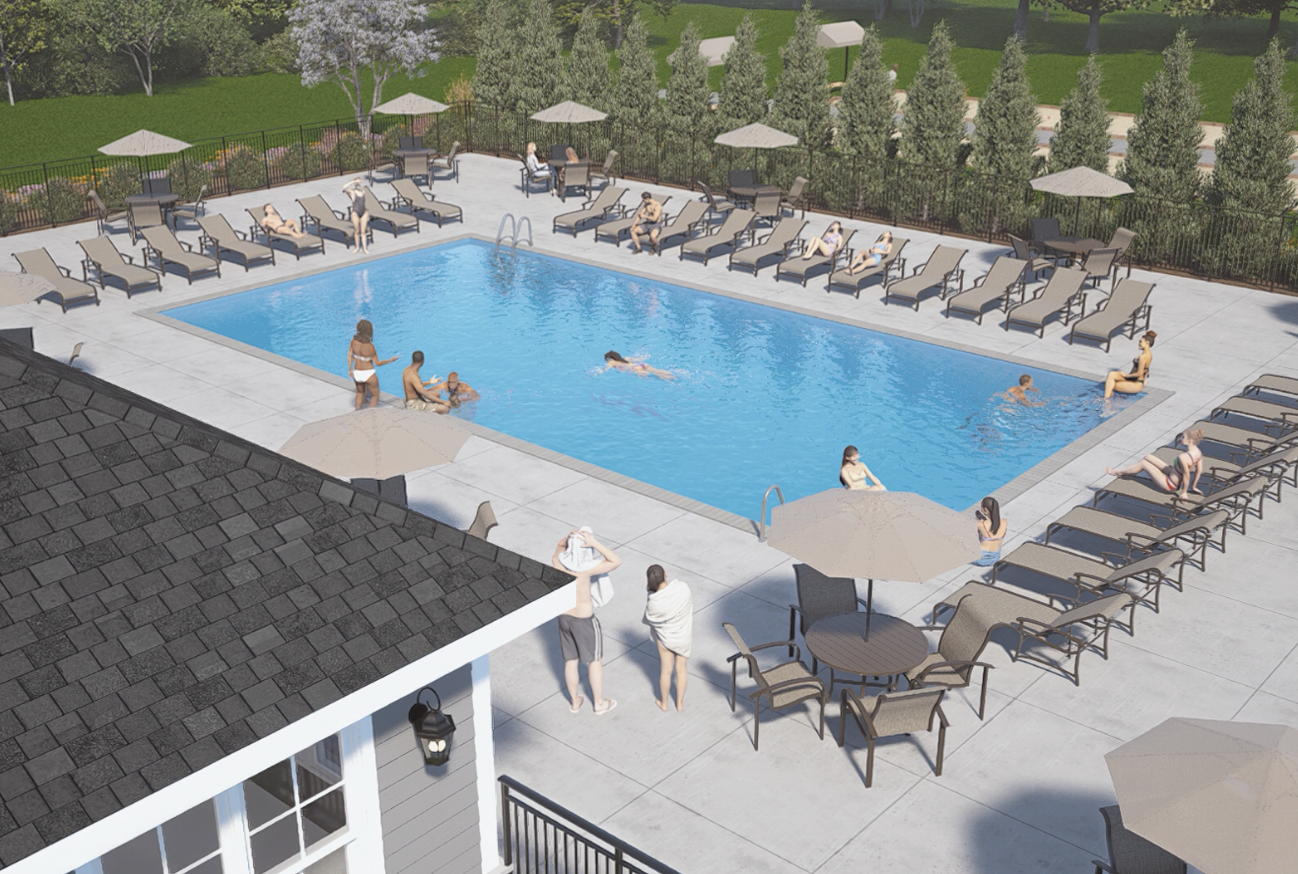
As an industry leader in new construction laced with imagination, innovation and superior craftsmanship, Charter Homes & Neighborhoods® has witnessed firsthand the rise in prices driven by a combination of factors rather than a single cause. Serving as a primary driver for rising costs is low resale inventory according to Amanda Heinemann, Western Pennsylvania President of Charter Homes & Neighborhoods®. “Many existing homeowners are holding onto historically low mortgage rates, limiting resale inventory, and pushing more buyers toward new construction, which is a good thing for us,” she said. “High demand persists, particularly in desirable locations where we build. Our neighborhoods offer a lifestyle appeal and are in highly ranked school districts.” Some buyers are hoping for rate reductions, Heinemann believes, with others recognizing that if rates fall significantly, competition could increase, potentially pushing prices even higher. “As a result, many are choosing to buy now with plans to refinance later if rates decline,” she continued. “Our neighborhoods continue to appeal to homebuyers because they are one-of-a-kind places to live. With acres of preserved spaces and purpose-built gathering places, it is designed to get better with time. We have found that our homebuyers are willing to sacrifice a slightly higher rate for a neighborhood and a home they truly love.” Because Charter Homes’ neighborhoods and homes appeal to buyers of all ages and needs, they are seeing everyone from first time buyers, single-family home buyers, and those wishing to make a Charter Home their final home purchase.
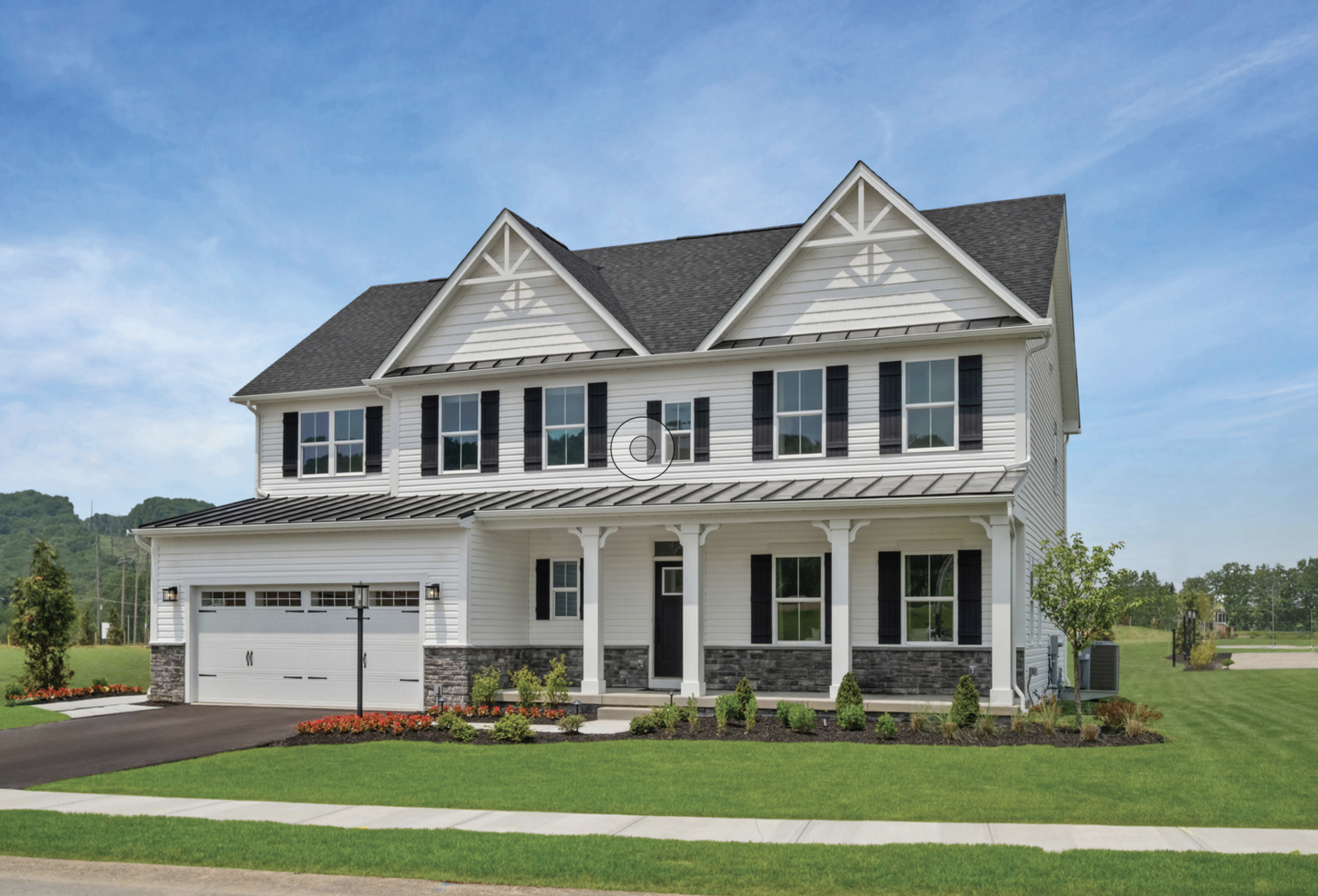

In addition to low inventory, labor shortage and supply issues, mortgages themselves are a formidable hurdle for those seeking a home. Many media outlets have chronicled the drop below the 6 percent rate at the end of February, citing it as the first drop in rates since September 2022. A February 26 report in the Wall Street Journal reported that the average rate for a 30-year fixed mortgage was 5.98 percent the last week of February while “Lenders, real estate agents and economists say this week’s drop below 6 percent could mark an important psychological threshold that will likely lure more buyers into the market. It is also expected to spur a jump in refinance applications for homeowners who bought in recent years when rates were higher.” Mike Henry, Senior Vice President of Retail Administration, Dollar Bank FSB, offered that, until September of 2025, customers were delaying a home purchase anticipating lower rates. That changed in the fourth quarter of 2025. “We saw an increase in contracts and consumers were considering rates today to be the ‘new norm’”, he said. “When mortgage rates drop, home prices tend to increase, offsetting potential savings of lower rates. This is especially true when inventory levels are low.” Among the concerns of potential buyers are typically the monthly payment followed closely by concerns about saving enough for the down payment. Henry added that their pre-approval process for all potential home buyers can keep them in a range they can afford before they put in an offer on a home purchase. “There are, however, some additional costs related to financing newly built homes versus an existing one,” he cautioned. “There are additional inspection fees and some costs related to the servicing of the loan while the home is being built.” He has still seen a strong increase in new construction requests due to the lower inventory levels of existing homes, but as for total requests, 70 percent are still for existing homes. And, when customers are refinancing, many choose a 15-year term, though most commonly, 30-year terms are the standard, which also helps with affordability. Dollar Bank participates in most of the down payment assistance programs available on the market. “We also have our own matched savings program for low-to-moderate income, first-time homebuyers,” Henry added. “We offer mortgages with 0.0 to 5 percent down payments.” Helene Nseir also offered that a new construction loan often differs from someone trying to purchase an existing home and are required to have a certain down payment. “In new construction loans, you pay as you go … it is fixed in rate and amount borrowed and, for example, is paid out in stages, later converting to a ‘regular’ mortgage with interest only for the term of the construction.” Darlene Hunter has observed that interest rates have affected the residential resale market given that those sitting with a 3 percent interest rate may have the desire to upgrade, but without a real necessity they may hold back and not release resale inventory to the market. “Buyers for new construction, especially for the national builders, are often first-time home buyers or families who need more space and with builder incentives, are able to afford the purchase,” she said. “The high luxury buyer often has a large amount of cash down so if they borrow at a higher rate, they may not be happy about it, but generally it won’t affect their decision to purchase. Also, many builders this year offered interest rate buy-down programs as a buyer incentive.” For example, Charter Homes provides structured guidance to help buyers navigate financing. Sales managers, experienced in financing along with lending partners can assist homebuyers with specific concerns or questions. “Our process includes an initial consultation, a lender connection, a pre-approval process and ongoing communication throughout the construction journey,” Amanda Heinemann advised. “Having an integrated financing approach helps reduce surprises and provides homebuyers with confidence during what can otherwise seem like a complex process.” With mortgage rates starting to stabilize, Seydor believes that has helped to bring back buyers into the market with more confidence. “When rates move down even modestly, it tends to unlock pent-up demand fairly quickly,” Seydor remarked. “Buyers have become more comfortable adjusting their expectations and looking at long-term value rather than trying to time the market perfectly.” With first time buyers still entering the market, he noted that they are often looking for homes that provide long-term value and predictable maintenance costs. Pitell Homes works closely with trusted local lending partners specializing in new construction financing. “Early in the process, we encourage buyers to meet with a preferred lender to understand their purchasing power, financing options, and monthly payment expectations,” Shaun Seydor explained. “This consultation helps buyers make informed decisions about their new home design upgrades and overall budget. Our goal is to make the process as transparent as possible so buyers feel confident from the moment they begin exploring a new home through closing.”
What does the future hold in terms of home affordability and availability? “While it is impossible to predict interest rates, we feel rates will be stable through 2027 with a possibility of slightly lower rates,” Mike Henry offered. Darlene Hunter proposed that purchasing land is still an affordable option if buyers are willing to build in areas considered not a prime market or, if in a prime market area, a location that may not have all available utilities such as water and sewage. “In either case, that buyer should have some knowledge or seek expert guidance in what additional expenses they may incur and what land investigation is necessary to have a successful build,” she advised. “Buyers will pay a premium for land in prime markets with all accessible utilities.” Pitell Homes is seeing strong interest from downsizers and empty nesters who want a lower maintenance lifestyle. “One of the trends we’re seeing at Pitell Homes is increased demand for maintenance free living and right-sized homes, thoughtfully designed with high quality finishes but without unnecessary square footage,” Seydor added. “Buyers are prioritizing open floor plans, flexible living spaces, outdoor living areas and energy efficient construction.” With frequent calls from downsizing buyers, Helene Nseir, too, sees many who do want to downsize but, at the same time, stay in the same area, with condo communities doing well and almost sold out. “Again, limited land availability is what is driving sales. While it has been a seller’s market, it seems that is tempering now. Homes well priced are still selling quickly, but we are not seeing as many homes selling over asking price. The exact need for a buyer to move is often determining how quickly a listed home sells. As spring approaches, I think the market will dictate sales.” NH